
Purple gold is one of the rarest coloured gold alloys in the jewellery industry. Discover how this unique 18K gold and aluminium alloy is created, its properties, and why it is gaining popularity in modern luxury jewellery design.
Purple gold is a rare 18K gold alloy made from gold and aluminium that produces a unique purple colour used in modern luxury jewellery.
The Rising Trend of Purple Gold in Modern Jewellery
Introduction to Purple Gold
Purple gold is one of the most fascinating innovations in the jewellery industry. Known for its rich violet tone and rare composition, purple gold has captured the attention of designers, collectors, and luxury jewellery brands worldwide. Unlike traditional yellow, white, or rose gold, purple gold offers a distinctive colour that symbolizes creativity, royalty, and exclusivity.
This unique alloy is not just visually striking but also represents advanced metallurgical craftsmanship. As jewellery trends continue to evolve, purple gold is emerging as a modern material that combines luxury with innovation.
What Exactly is Purple Gold?
Purple gold is a special alloy created by combining 75% pure gold with approximately 25% aluminium. This combination forms a compound called AuAl₂, which produces the distinctive purple or lavender colour.
Because the alloy contains 75% gold, it qualifies as 18-karat gold, making it suitable for high-end jewellery pieces. However, unlike other gold alloys, purple gold forms an intermetallic compound, meaning it behaves differently in terms of strength and workability.
The colour of purple gold is not a surface coating but an inherent property of the metal itself, making it permanent and unique.
Why Purple Gold is Considered Rare
Purple gold is considered one of the rarest coloured gold alloys. The precise ratio of gold and aluminium required to create the purple hue makes its production challenging. Additionally, the alloy is naturally brittle, which means traditional jewellery manufacturing techniques are not always suitable.
Due to these limitations, only skilled manufacturers and experienced jewellers can successfully work with purple gold. This rarity adds to its exclusivity and value in the luxury jewellery market.
The Unique Properties of Purple Gold
Purple gold stands out because of its unusual metallurgical characteristics.
Key characteristics include:
Composition: 75% gold and 25% aluminium
Karat Value: 18K
Colour: Deep purple or lavender tone
Structure: Intermetallic crystalline compound
Hardness: Hard but brittle
Manufacturing Method: Precision casting and specialized techniques
These properties make purple gold ideal for decorative elements in jewellery designs rather than pieces that require heavy bending or shaping.
Challenges in Working with Purple Gold
While purple gold is visually stunning, it is more difficult to work with compared to traditional gold alloys.
The metal tends to be brittle, meaning it can crack under pressure or stress. Because of this, jewellers often rely on precision casting methods, laser welding, and controlled temperature environments to create jewellery pieces safely.
These technical challenges are one reason why purple gold jewellery is still relatively rare and often seen in high-end or designer collections.
Popular Jewellery Designs Using Purple Gold
Purple gold is commonly used in jewellery pieces where its colour can stand out as a focal point.
Popular designs include:
Statement rings
Artistic pendants
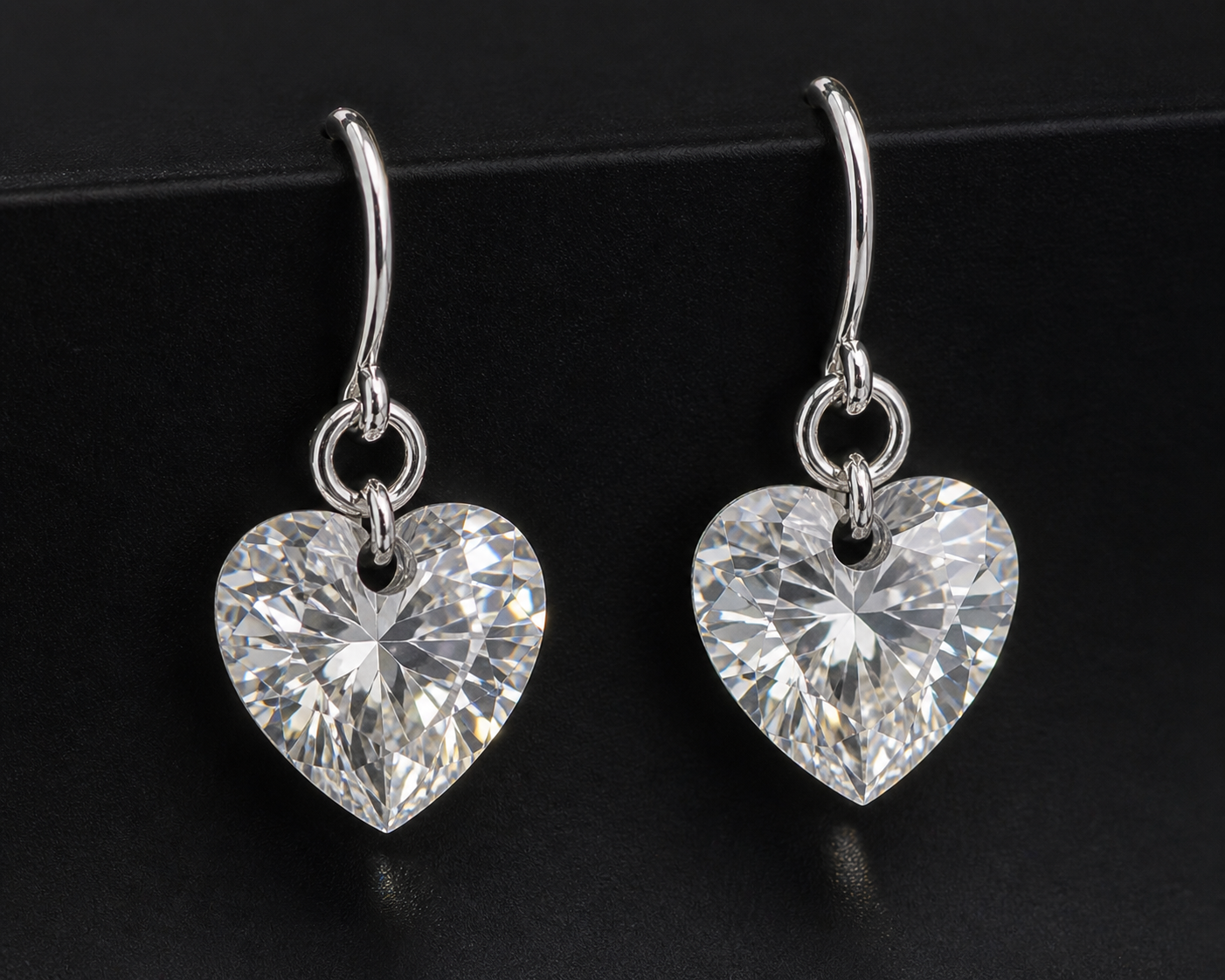
Luxury earrings
Decorative inlays in rings or bracelets
Designer jewellery collections
Many designers combine purple gold with white gold, platinum, or yellow gold to create striking contrasts that highlight the purple colour.
Gemstones That Pair Beautifully with Purple Gold
Because of its rich violet tone, purple gold pairs well with several gemstones.
Some of the most complementary stones include:
Diamonds – provide brilliant contrast and sparkle
Amethyst – creates a luxurious monochromatic purple effect
Blue Sapphire – adds a cool contrast to the warm metal tone
Emerald – creates a striking colour combination
Ruby – offers a bold and dramatic contrast
These combinations allow jewellery designers to create truly unique and eye-catching pieces.
Market Demand and Industry Growth
The demand for coloured gold alloys has grown significantly in recent years. Consumers are increasingly looking for jewellery that is different from traditional designs.
Industry reports suggest:
Coloured gold jewellery demand has grown rapidly since 2023
Purple gold sales have increased significantly in niche luxury markets
The coloured gold jewellery market is expected to grow steadily over the coming years
This growing demand indicates that purple gold may become a major trend in modern jewellery design.
Caring for Purple Gold Jewellery
Because of its unique properties, purple gold requires special care.
To maintain its appearance:
Clean with mild soap and warm water
Avoid harsh chemicals and abrasive cleaners
Store pieces separately to prevent scratching
Avoid impact or heavy pressure
Have jewellery inspected regularly by a professional jeweller
Proper care ensures that purple gold jewellery remains beautiful for many years.
The Future of Purple Gold in Jewellery
Purple gold represents a new era of creativity in jewellery design. As manufacturing techniques improve and designers experiment with coloured metals, purple gold may become more accessible and widely used.
Its unique colour, rarity, and luxurious appeal make it a fascinating material for the future of jewellery. For those seeking something truly distinctive, purple gold offers a perfect blend of innovation and elegance.
Final Thoughts
Purple gold is more than just a coloured metal. It is a symbol of innovation, craftsmanship, and luxury beyond traditional jewellery materials. With its rare composition and captivating colour, it continues to inspire designers and collectors around the world.
As the jewellery industry embraces creativity and individuality, purple gold is poised to remain one of the most intriguing and desirable materials in modern jewellery design.