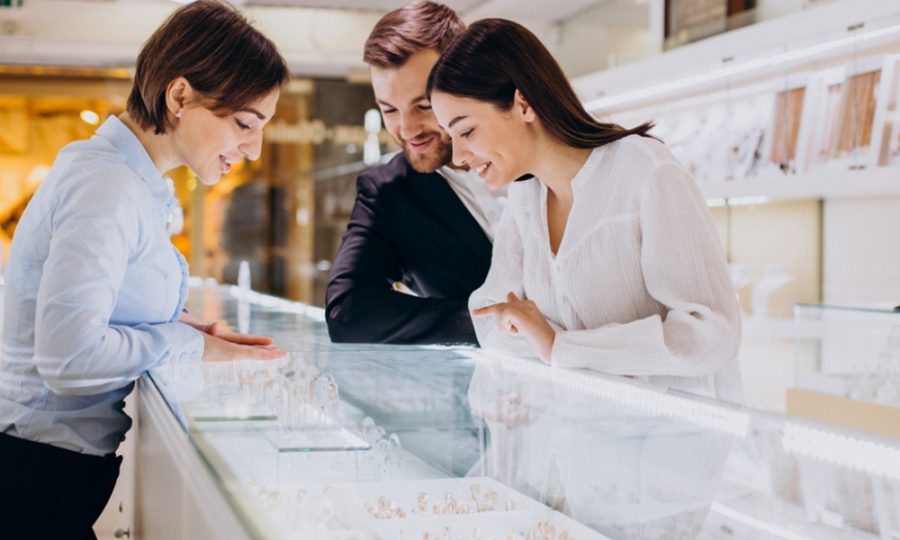

India's lab-grown diamond exports have surpassed natural diamonds for the first time. Explore the GJEPC data, pricing realities, and shifting buyer psychology
For the first time in the history of the global diamond trade, India's polished lab-grown diamond exports have officially surpassed natural diamonds in volume. According to data from the Gem and Jewellery Export Promotion Council (GJEPC), polished lab-grown exports reached approximately 18.8 million carats in FY 2025–26, edging past natural cut and polished diamond exports, which stood at around 16 million carats.
To put that in perspective: a decade ago, India exported barely 10,000 carats of lab-grown diamonds against more than 33 million carats of mined stones. As a Surat-based manufacturer with over 30 years of family expertise in the diamond industry, we at Dhanlaxmi Export have watched this transformation happen from the inside — and this milestone is not a surprise. It is the logical result of technology, economics, and buyer psychology all moving in the same direction.
The Numbers Behind the Milestone
The crossover did not happen overnight. Lab-grown diamonds accounted for roughly 45% of India's total diamond export volume in January 2025. By April 2025, that share had crossed the halfway mark, and the trend held through the opening months of 2026 — in March 2026 alone, lab-grown exports totalled around 1.3 million carats, again exceeding natural.
Three structural factors drove this shift:
Surat's manufacturing base. The city that cuts and polishes roughly 90% of the world's diamonds has redeployed its generational cutting expertise into CVD and HPHT production at massive scale, with reactor counts at major producers expanding into the thousands through 2024 and 2025.
Regulatory clarity. The Bureau of Indian Standards regulation IS 19469:2025, effective January 2026, now requires laboratory-grown stones to be explicitly labelled as such on certificates, invoices, and export documentation — bringing much-needed transparency and buyer confidence to the category.
Government backing. With 100% FDI permitted in the sector and reduced customs duties on cut and polished diamonds, India has formally targeted $75 billion in gem and jewellery exports by 2030.
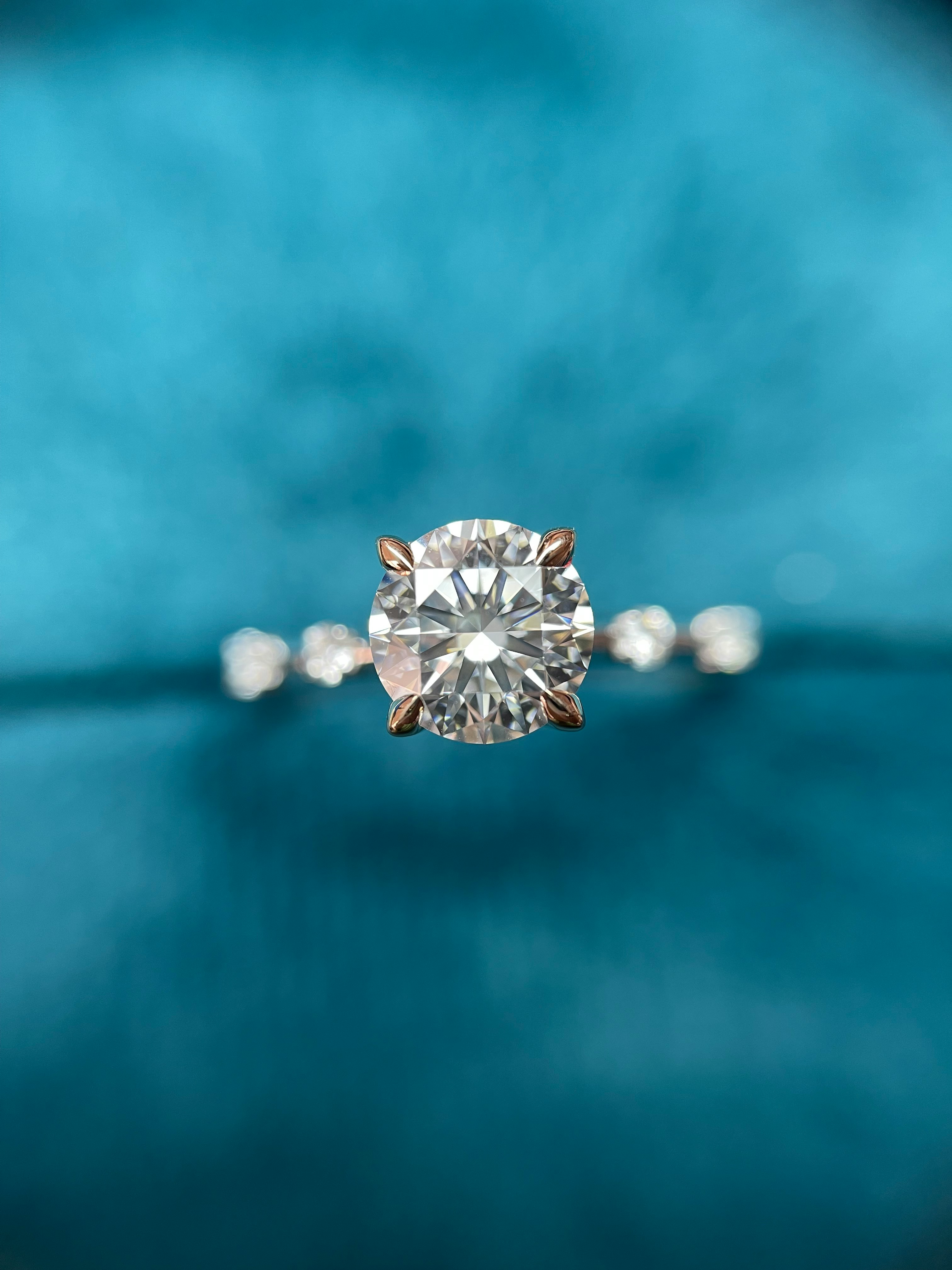
Pricing Realities: Identical Stone, a Fraction of the Cost
Here is the fact that changed everything: a lab-grown diamond is physically, chemically, and optically identical to a mined diamond. Same carbon crystal structure, same hardness (10 on the Mohs scale), same fire and brilliance. IGI and GIA grade lab-grown stones on the exact same 4Cs standards used for natural diamonds.
What differs is the price. Rough lab-grown material now imports into India at an average of roughly 15percarat,whilepolishedlab−growngoodsexportatanaveragebelow15percarat,whilepolishedlab−growngoodsexportatanaveragebelow74 per carat — with many size, shape, colour and clarity combinations wholesaling around or under $100 per carat. Compare that with natural stones of equivalent grade, and the buyer is often paying 80–90% less for a visually and gemologically identical diamond.
For B2B buyers, this compression cuts both ways:
Opportunity: Retailers can offer larger center stones, better clarity grades, and healthier margins at price points that finally match what younger consumers are willing to spend.
Caution: Because wholesale prices are still compressing through 2026, inventory discipline matters. Working with a manufacturer offering real-time dynamic pricing—rather than static price lists that go stale in weeks—protects dealers from buying at yesterday's rates.
The Psychology Shift: From Status Symbol to Conscious Self-Purchase
The volume crossover is a trade statistic, but the force behind it is a consumer one. Diamond buying psychology has fundamentally changed, especially among Millennial and Gen Z buyers:
Sustainability is a purchase criterion, not a footnote. Lab-grown diamonds require no mining, and buyers increasingly ask about origin, chain of custody, and environmental footprint before they ask about price.
The rise of self-purchasing. A growing share of diamond jewelry is no longer bought as an engagement gift—it is bought by women for themselves. Everyday diamond studs, tennis bracelets, and stacking rings at accessible price points have expanded the market far beyond bridal.
Value redefined. Today's buyer does not see a lab-grown diamond as a "substitute." They see the same stone, honestly labelled, at an honest price — and they see paying multiples more for geological age as the irrational choice, not the aspirational one.
Design freedom. Lower stone costs are reviving demand for statement pieces and heritage cutting styles — from Old Miner and step cuts to lab-grown Polki — that were previously priced out of reach in natural goods.
What This Means for Dealers and Manufacturers
If you are an authorized dealer, jewellery manufacturer, or retailer sourcing polished goods, the FY 2025–26 crossover is your signal that lab-grown is no longer a side category — it is the volume engine of the Indian export industry. The practical checklist for sourcing in this new market:
Insist on certification. IGI and GIA certified stones with full disclosure under the new IS 19469:2025 labelling norms protect you and your end customer.
Demand chain of custody. Complete documentation from reactor to polished stone is becoming the standard your customers expect.
Source factory-direct. With prices moving quickly, buying directly from a manufacturing operation—not through layers of intermediaries—is the only way to stay competitive on landed cost.
Cover the full size range. Demand now spans everything from 0.01 carat melee for pavé work up to 10 carat statement stones.
About Dhanlaxmi Export
Dhanlaxmi Export is a Surat-based B2B lab-grown diamond wholesaler carrying forward 30+ years of family expertise in the diamond industry, with our dedicated lab-grown manufacturing division established in 2019. From our manufacturing unit in Katargam and trade office in Mahidharpura, we supply IGI and GIA certified CVD and HPHT lab-grown diamonds — from 0.01 to 10 carats, in Round Brilliant, Oval, Radiant, and specialty Antique Cuts including Old Miner, Step Cut, and Moval Cut — to authorized dealers and manufacturers across 40+ countries. We offer real-time dynamic pricing, complete chain of custody documentation, and secure 3–5 day worldwide shipping, exclusively for the trade with no retail markups.
Sourcing lab-grown diamonds for your business? Contact Dhanlaxmi Export today for trade pricing and current inventory.
Frequently Asked Questions
Are lab-grown diamonds real diamonds? Yes. Lab-grown diamonds are chemically, physically, and optically identical to mined diamonds. Both are pure crystallised carbon and are graded by IGI and GIA on the same 4Cs standards.
Why are lab-grown diamonds so much cheaper than natural diamonds? Production technology (CVD and HPHT) has scaled dramatically, especially in Surat. With rough material averaging around 15percaratandpolishedwholesaleaveragesbelow15percaratandpolishedwholesaleaveragesbelow74 per carat, buyers get an identical stone without the scarcity premium of mined goods.
How big is the lab-grown share of India's diamond exports now? In FY 2025–26, lab-grown polished exports (~18.8 million carats) exceeded natural polished exports (~16 million carats) for the first time, per GJEPC data.
What is IS 19469:2025? A Bureau of Indian Standards regulation effective January 2026 that requires laboratory-grown stones to be explicitly labelled as laboratory-grown on certificates, invoices, and export documents, ensuring full transparency for international buyers.
Where can B2B buyers source certified lab-grown diamonds from India? Directly from Surat-based manufacturers like Dhanlaxmi Export, which supplies IGI/GIA certified CVD and HPHT diamonds to dealers in 40+ countries with real-time pricing and 3–5 day shipping.