
Is a lab-grown diamond a synthetic diamond? Yes, it is the same stone. But in 2026 CIBJO chose "synthetic" while US and Indian rules use "laboratory-grown", so the word you use now depends on where you sell.
Call it a synthetic diamond in Paris and you are following the law. Call the same stone "synthetic" on a New York shop floor and many customers will hear "fake". In 2026 the name you put on a lab-grown diamond became a trade fight, and it now affects your price tags, your invoices and your website copy.
## Key takeaways
- CIBJO, the World Jewellery Confederation, now recommends "synthetic" as the only term for lab-grown diamonds in its trade standards
- CIBJO's standards are voluntary: national law always comes first
- The US FTC and India's BIS standard both recognise "laboratory-grown" and "laboratory-created"
- France and Russia allow only "synthetic"
- Whatever word you use, never call a lab-grown diamond "real", "natural" or "genuine"
## What CIBJO decided in 2026
At its 2026 congress in Vicenza, Italy, CIBJO's board voted to make "synthetic" the sole descriptor for a man-made product with the same chemistry, physical properties and structure as its natural counterpart. Its Blue Books, the trade's reference standards, will be revised to match. The board turned down requests to keep "laboratory-grown" alongside it.
CIBJO's reasons:
- Science: "synthetic" is the long-standing technical term for a man-made version of a natural material.
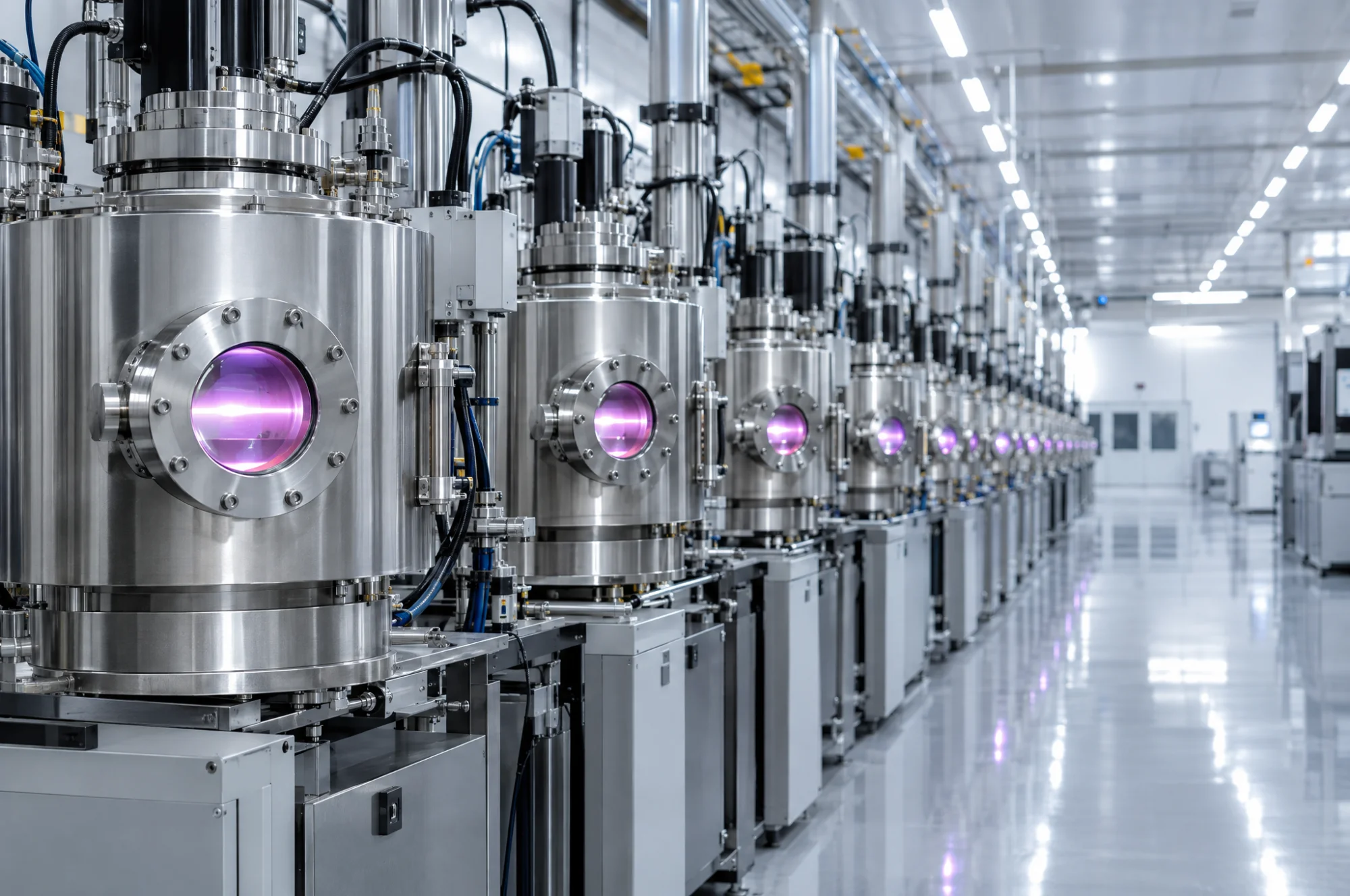
- Accuracy: most stones are now grown by CVD and HPHT in industrial plants, not in anything a customer would picture as a laboratory.
- Consistency: rules differ by country, and CIBJO says "synthetic" gives the "least ambiguous description" for international trade.
The London Diamond Bourse said it is moving to "synthetic diamond" too. CIBJO itself says the Blue Book standards are voluntary and that national laws take precedence.
## Why lab-grown producers are pushing back
On 20 October 2026, the Diamond Producers Council, a group of lab-grown producers growing more than 20 million carats a year, told jewellers to reject the recommendation and keep saying "lab-grown diamond" or "lab-created diamond". Their arguments:
- "Synthetic" sounds fake. They cite a 2016 survey, submitted to the FTC, in which 56% of people took "synthetic diamond" to mean an imitation.
- A lab-grown diamond is a diamond. It is crystallised carbon, unlike cubic zirconia, moissanite or glass.
- The FTC dropped "synthetic" from its recommended terms in 2018 and has warned against using it to suggest a lab-grown stone is not a real diamond.
The group also says it may take legal action where "synthetic" is used in a way that misleads buyers. So this is no longer just a style question.
## What the law says in your market
CIBJO sets trade standards; governments set the law. For a jeweller, the local rule is the one that counts:
- United States (FTC Jewelry Guides): "laboratory-grown", "laboratory-created" and "[brand]-created" are the recommended terms. "Synthetic" is not banned, but it must not imply the stone is not a diamond. "Cultured" is allowed only when the whole message makes clear the stone is not mined.
- India (BIS standard IS 19469:2025): "diamond" on its own means a natural diamond. Lab-grown stones must be called "laboratory-grown diamond" or "laboratory-created diamond". "Synthetic diamond" is allowed only in commercial and import or export papers where the law requires it. "Cultured" is not allowed.
- France and Russia: only "synthetic" is allowed for lab-grown diamonds.
- International trade papers: customs already file lab-grown diamonds under HS heading 7104, "synthetic or reconstructed precious or semi-precious stones".
## What jewellers should do now
### 1. Follow the law where you sell, not the trade debate
Use "lab-grown diamond" or "laboratory-grown diamond" in the US and India, and "synthetic" in France and Russia. If you sell online to several countries, choose the word for each country page or each marketplace listing.
### 2. Disclose clearly, every time
Put the term on the price tag, the invoice, the certificate, the product page and the receipt. The rule is the same everywhere: a customer must know the stone is not mined before they buy it.
### 3. Never use words that blur the line
Do not call lab-grown diamonds "real", "natural", "genuine" or "earth-friendly", and avoid "cultured". These are banned or restricted in the US and India, and they are the words most likely to bring a complaint.
### 4. Keep your documents consistent
One wording that works for most export papers is "laboratory-grown diamond (synthetic), IGI certified". It satisfies the customs heading and stays clear for the buyer.
### 5. Train your team on one honest sentence
For example: "This is a lab-grown diamond. It is a real diamond crystal made in a factory, not mined, and it is certified by IGI." It is accurate under every set of rules above.
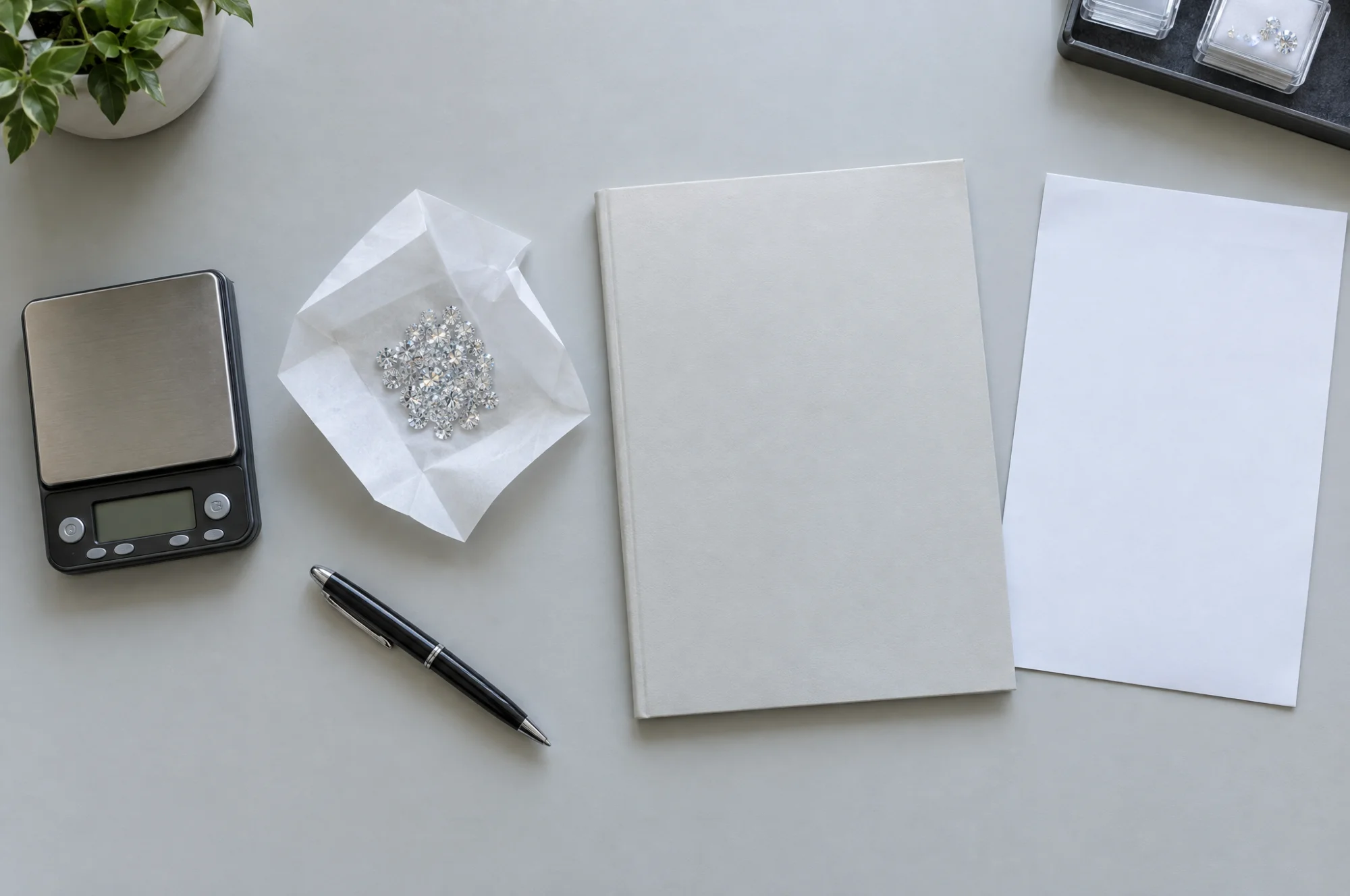
!Diamond parcel, grading report folder and export invoice on a diamond exporter's desk
## Does the name change the price?
Not directly. The stone, the grading and the certificate stay the same. But words shape what customers expect. Natural diamond groups want a clear line because lab-grown prices have pulled natural prices down, and more than half of US engagement rings sold by volume now contain lab-grown diamonds. For our view on value over time, read lab-grown vs natural diamond value in 2026, and for the latest wholesale moves see lab-grown diamond prices in Q3 2026.
## How Dhanlaxmi Export labels its stones
Our certified stones are described as laboratory-grown diamonds on their IGI or GIA reports, and IGI reports also state the growth method, CVD or HPHT. Ask us for invoice wording that matches your country's rules. Browse our live inventory or apply for trade access to see wholesale prices.
Sources: Jewellery World and Rapaport on the 2026 CIBJO decision; Diamond Producers Council, 20 October 2026; JCK on the FTC Jewelry Guides; Jeweller Magazine on India's IS 19469:2025. This article is general information, not legal advice.
## FAQ
### Is a lab-grown diamond the same as a synthetic diamond?
Yes. "Synthetic diamond", "lab-grown diamond" and "laboratory-created diamond" all describe the same thing: a real diamond crystal made by people using CVD or HPHT. The difference is the word, not the stone.
### Are lab-grown diamonds real diamonds?
Yes, physically and chemically they are diamond. But in the US and India you may not market them as "real", "natural" or "genuine", because those words are reserved for mined diamonds.
### Is a synthetic diamond the same as a fake diamond?
No. A fake, or simulant, is a different material that only looks like diamond, such as cubic zirconia or moissanite. A synthetic diamond is actual diamond.
### Do I have to stop saying "lab-grown" because of CIBJO?
No. CIBJO's standards are voluntary and national law takes precedence. In the US and India, "lab-grown" and "laboratory-grown" are recognised terms.
### What should I write on an export invoice?
Use "laboratory-grown diamond (synthetic)" with the certificate number. It matches the customs heading 7104 and stays clear for the buyer.
What happened
The World Jewellery Confederation (CIBJO ) sets voluntary standards for the trade in its "Blue Books". It has moved to make "synthetic" the preferred international term for laboratory-grown diamonds and coloured gemstones. Its 2026 Diamond Commission report also calls for exploring ways to reserve the 4Cs (carat, colour, clarity and cut) for natural diamonds.
On 20 October 2026 , the Diamond Producers Council (DPC) , which represents lab-grown producers, publicly urged jewellers to reject that recommendation and keep using "lab-grown diamond", "lab-created diamond" or a brand name followed by "created diamond".
The case against "synthetic"
- Shoppers read it as "fake". The DPC points to a 2016 consumer survey, submitted to the US Federal Trade Commission, in which 56% of respondents understood "synthetic diamond" to mean an imitation.
- It is chemically a diamond. A lab-grown diamond is carbon in the diamond crystal structure, unlike simulants such as cubic zirconia, moissanite or glass.
- US guidance already exists. The FTC's Jewelry Guides recognise "laboratory-grown" and "laboratory-created" as proper disclosure terms. The FTC has said that using "synthetic" to imply a lab-grown stone is not a diamond can be deceptive, and it removed "synthetic" from its examples of recommended qualifiers.
The case for "synthetic"
Supporters of CIBJO's approach argue that a single, unmistakable international word protects consumers and natural-diamond value, and that "synthetic" is a long-standing technical term in gemmology. CIBJO's standards are voluntary, and they are written for an international trade, not one country's rules.
What this means at your counter
- Always disclose, clearly and first. Whatever word you choose, the customer must know the stone is laboratory-grown before they buy. This is the part every side agrees on.
- Follow the law where you sell. The CIBJO Blue Books are voluntary. Your legal obligations come from the consumer-protection rules in your own market, such as the FTC Guides in the US and national disclosure rules elsewhere. If you sell into several countries, check each one.
- Be consistent across tags, invoices and your website. Mixed wording ("synthetic" on the invoice, "lab-grown" on the website) invites complaints.
- Keep the growth method on record. Certificates from IGI and GIA state that a stone is laboratory-grown, and many show whether it was grown by CVD or HPHT. Keep that report with the sale.
How we describe our stones
At Dhanlaxmi Export we use "lab-grown diamond" and disclose the growth method (CVD or HPHT) on every listing, alongside the IGI or GIA report where there is one. Every stone has its own page with its certificate, so you can share the full disclosure with your customer in one link. Browse by shape, or apply for a trade account to see wholesale prices.
Sources: Diamond Producers Council press release via GlobeNewswire, 20 October 2026; US FTC Guides for the Jewelry, Precious Metals, and Pewter Industries. This article is general information, not legal advice.
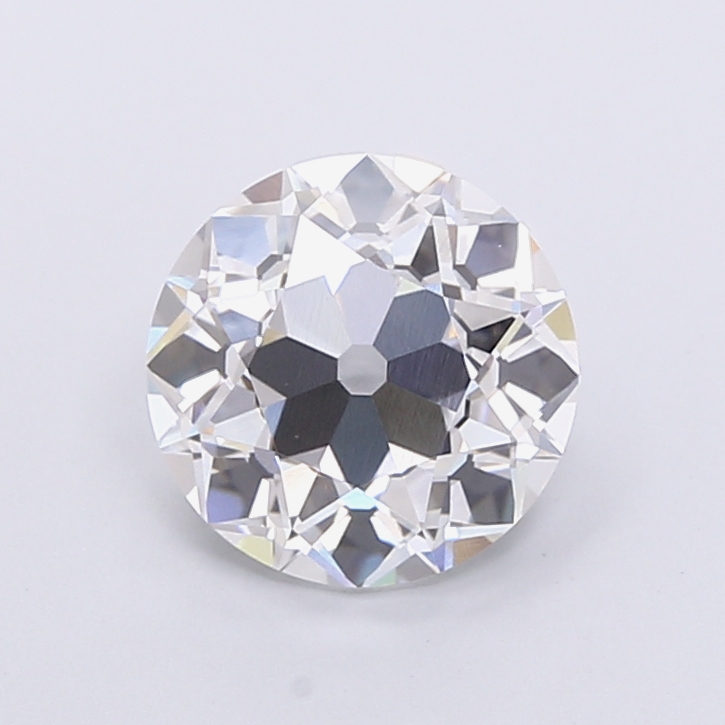
European Cut lab-grown diamonds in stock
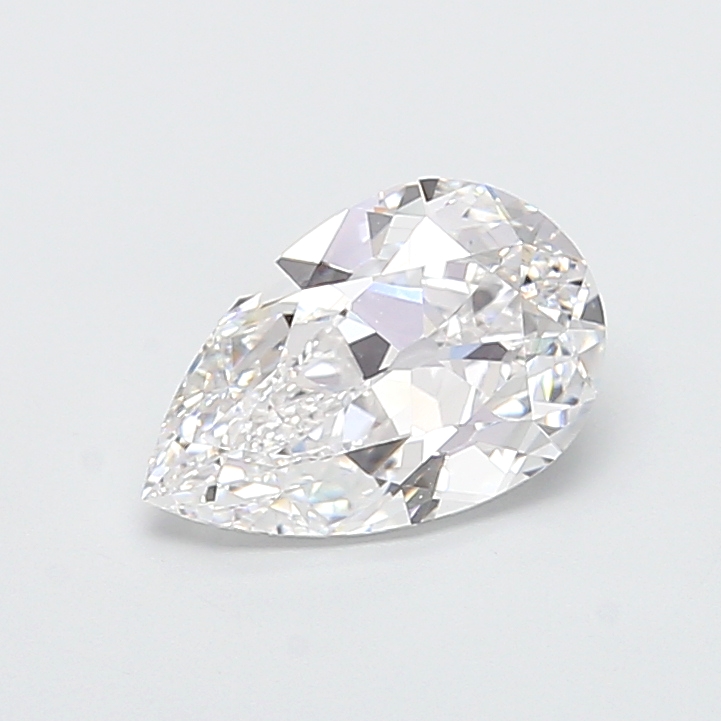
See all european cut →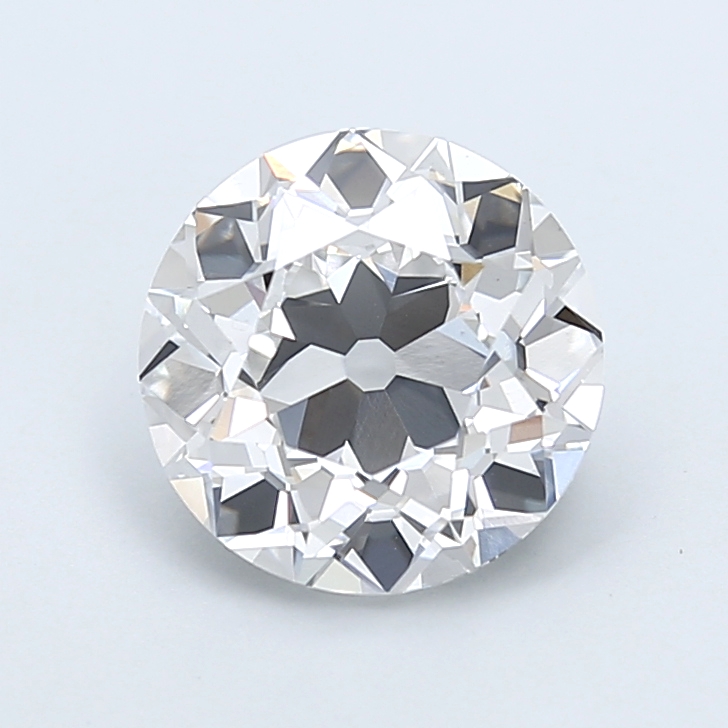

For jewellers & dealers
Source certified lab-grown diamonds direct from Surat
Live stock across every shape, IGI & GIA certified, with wholesale prices for approved trade buyers.